he first time I heard a live samba bateria, the ground shook. Not metaphorically—the bass drum's thump traveled through the soles of my feet before reaching my ears. That was in a crowded square in Lapa, Rio de Janeiro, where a circle of musicians young and old hammered out a groove that felt as old as the hills and as urgent as tomorrow. Samba isn't just music;it's a social contract written in syncopation. You don't watch it from a distance. You join。
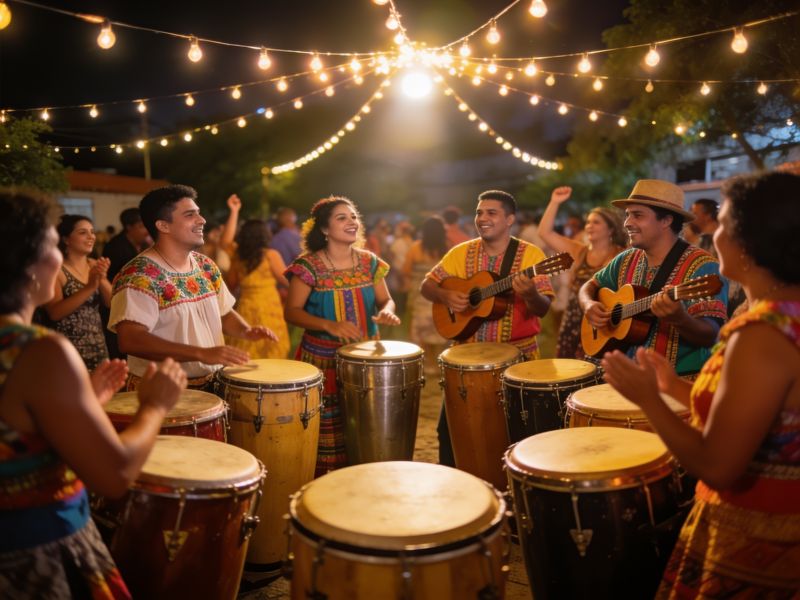
or you get out of the way.Origins matter here. Samba grew from the rhythms enslaved Africans carried to Bahia and then to Rio's port neighborhoods in the late 19th century. The word itself likely comes from semba, a Kimbundu term for a pelvic bump—a dance move that scandalized polite society. Early samba faced police raids. Musicians like Donga and Pixinguinha pushed it from quintal parties into recording studios。and by the 1930s, samba had become Brazil's unofficial national soundtrack. That trajectory wasn't inevitable. It was fought for, note by note.What strikes me most is samba's structural generosity. A single samba can absorb funk, jazz, rock, even electronic beats without losing its core identity. The surdo drum anchors the low end with a heartbeat pattern—open on the second beat, muted on the first—while the tamborim chips in with high, fluttering accents. Call-and-response vocals invite participation. In a roda de samba, there's no stage. Everyone is both audience and performer. That permeability explains why samba survived military dictatorship。globalization, and the relentless commodification of Brazilian culture. It bends but doesn't break.
Contemporary samba is not a museum piece. In São Paulo, young producers blend samba with trap and pagode, drawing millions of streams. Clubs in Madureira host samba schools year-round, not just for Carnival. I've seen teenagers debate the merits of Cartola versus Nelson Cavaquinho with the intensity of sports fans. The genre's commercial side is real—Carnival is a multi-billion-real industry—but the amateur scene remains the lifeblood. A neighbor's backyard, a borrowed cavaquinho。a cooler of beer: that's where samba regenerates itself.If you want to understand Brazil beyond the postcard clichés, listen to samba's tension between nostalgia and innovation. It's a music of displacement that became a music of belonging. The rhythm doesn't smooth over inequality or racial history;
it carries those contradictions in its syncopation. That's why samba still matters. Not as a relic, but as a living argument about who gets to define a national culture—and how.